

Exploring the realm of Natural and Holistic Approaches to Inflammatory Diseases, this guide offers a deep dive into effective strategies for managing inflammation and promoting overall well-being. From herbal remedies to lifestyle changes, uncover the secrets to combating inflammatory diseases naturally.
Overview of Inflammatory Diseases
Inflammatory diseases are conditions in which the body's immune system triggers an inflammatory response even when there is no real threat. This chronic inflammation can damage healthy tissues and organs, leading to various health issues.Inflammation is a natural response to injury or infection, but when it becomes chronic, it can contribute to the development of diseases such as arthritis, asthma, inflammatory bowel disease, and cardiovascular diseases.
Managing inflammation is crucial for overall health and well-being.
Examples of Common Inflammatory Diseases
- Rheumatoid Arthritis: An autoimmune disease that causes inflammation in the joints.
- Crohn's Disease: A type of inflammatory bowel disease that leads to inflammation in the digestive tract.
- Asthma: Inflammation and narrowing of the airways that can cause breathing difficulties.
- Periodontitis: Inflammation of the gums that can lead to tooth loss if left untreated.
Natural Remedies for Inflammatory Diseases
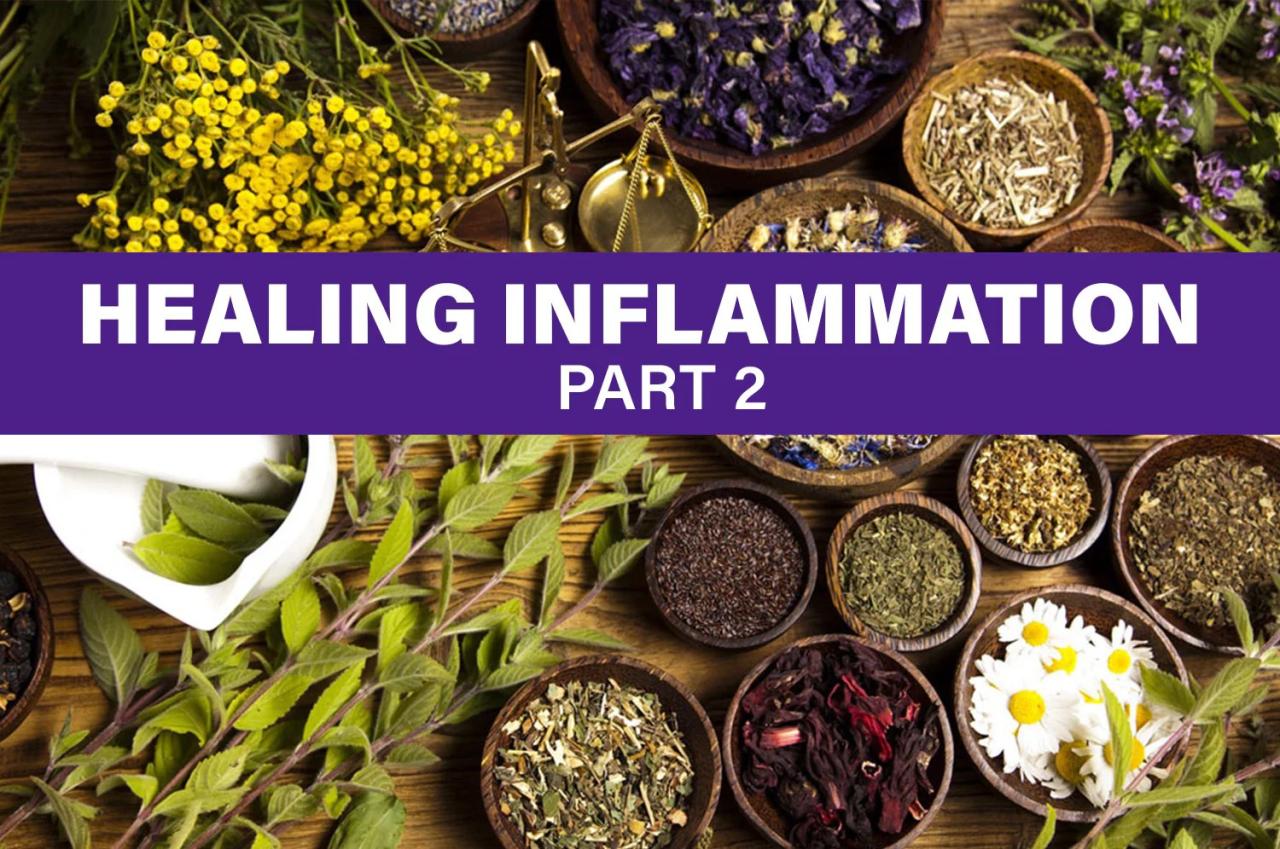
When it comes to managing inflammatory diseases, natural remedies can play a significant role in reducing inflammation and promoting overall well-being.
One of the most well-known natural remedies for inflammation is turmeric. Turmeric contains a compound called curcumin, which has powerful anti-inflammatory properties. It can help reduce inflammation in the body and alleviate symptoms of conditions like arthritis and inflammatory bowel disease.
Herbs and Plants with Anti-Inflammatory Properties:
- Ginger: Known for its anti-inflammatory and antioxidant properties, ginger can help reduce inflammation and relieve pain associated with inflammatory diseases.
- Green Tea: Contains polyphenols that have anti-inflammatory effects and can help protect against inflammation-related diseases.
- Boswellia: Also known as Indian frankincense, boswellia can help reduce inflammation and may be beneficial for conditions like osteoarthritis.
Holistic Approaches to Managing Inflammation
Holistic health focuses on treating the whole person, considering physical, mental, emotional, and spiritual aspects to achieve overall well-being. When it comes to managing inflammatory diseases, holistic approaches take into account lifestyle factors that can impact inflammation levels.
Diet and Inflammation
Eating a diet rich in anti-inflammatory foods such as fruits, vegetables, whole grains, and healthy fats can help reduce inflammation in the body. Avoiding processed foods, sugar, and unhealthy fats can also play a significant role in managing inflammation.
Exercise and Inflammation
Regular physical activity has been shown to reduce inflammation in the body. Exercise helps to improve circulation, boost the immune system, and reduce stress levels, all of which can contribute to lower inflammation levels.
Stress Management and Inflammation
Chronic stress can worsen inflammation, so it's important to find effective stress management techniques. Practices like meditation, yoga, deep breathing exercises, and mindfulness can help lower stress levels and reduce inflammation in the body.
Alternative Therapies for Inflammation
In addition to diet, exercise, and stress management, holistic approaches to managing inflammation may include alternative therapies such as acupuncture, massage therapy, chiropractic care, and herbal supplements. These practices can help support the body's natural healing processes and reduce inflammation levels.
Lifestyle Changes to Reduce Inflammation
Adopting certain lifestyle changes can play a crucial role in reducing inflammation in the body and managing inflammatory diseases effectively.
Impact of Lifestyle Factors on Inflammation
Lifestyle factors such as smoking, excessive alcohol consumption, and poor sleep patterns can significantly contribute to inflammation in the body. Smoking, for example, introduces harmful toxins and chemicals that trigger an inflammatory response. Similarly, excessive alcohol consumption can disrupt the body's immune system, leading to chronic inflammation.
Inadequate sleep or poor quality sleep can also increase inflammation levels, as the body requires sufficient rest to regulate inflammatory processes.
Tips for Sustainable Lifestyle Changes
- Quit smoking: Seek support from healthcare professionals or smoking cessation programs to successfully quit smoking and reduce inflammation levels.
- Limit alcohol intake: Practice moderation and set limits on alcohol consumption to prevent excessive inflammation.
- Improve sleep quality: Establish a bedtime routine, create a sleep-conducive environment, and prioritize restful sleep to combat inflammation.
Importance of Balanced Diet, Regular Exercise, and Adequate Rest
A balanced diet rich in anti-inflammatory foods such as fruits, vegetables, whole grains, and healthy fats can help reduce inflammation. Regular exercise not only improves overall health but also helps in managing inflammation by boosting circulation and reducing stress. Adequate rest is essential for the body to repair and regenerate, supporting the immune system and reducing inflammatory responses.
Closing Summary
In conclusion, embracing natural and holistic approaches to inflammatory diseases can revolutionize your health journey. By integrating these methods into your lifestyle, you can take proactive steps towards reducing inflammation and achieving optimal wellness.
Clarifying Questions
What are some common herbal remedies for inflammatory diseases?
Common herbal remedies include turmeric, ginger, and boswellia, known for their potent anti-inflammatory properties.
How does stress management contribute to holistic approaches in managing inflammation?
Stress management techniques like meditation and yoga help reduce stress hormones that can trigger inflammation in the body.
Can lifestyle changes alone effectively reduce inflammation?
While lifestyle changes play a significant role, a holistic approach combining diet, exercise, and stress management is most effective in managing inflammation.

